loader

What Support Options Exist for Adults Questioning Their Gender Identity

Dec 24, 2025

Mental Disorder

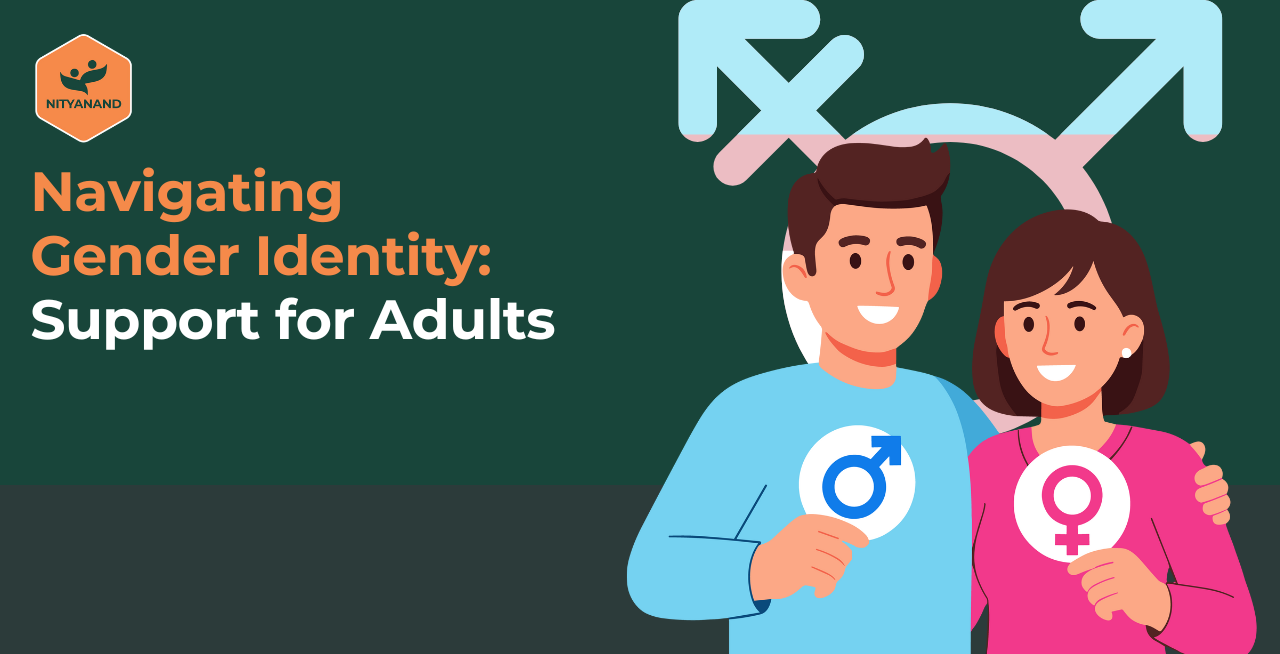
Navigating Gender Identity: Support for AdultsNavigating Gender Identity: Support for Adults

An adult may reach a point where familiar gender roles no longer feel comfortable. They may experience persistent discomfort, a sense of disconnect, or the quiet feeling that their identity has never aligned with expectations. Many adults begin questioning their gender in their twenties, thirties, forties, and even later in life. This experience is far more common than many realise.

This blog explores the emotional, psychological, medical, and community support options available for adults seeking clarity. Understanding these pathways can help individuals move toward authenticity and greater emotional well-being.

Understanding Gender Questioning in Adulthood

Gender questioning in adulthood often begins after years of societal pressure, cultural expectations, or limited awareness of diverse identities. Some adults only recognise their feelings after encountering inclusive spaces or learning about gender diversity, while others may have carried these thoughts silently for years. It is important to distinguish between gender questioning and gender dysphoria. Questioning involves exploring personal identity. 

Dysphoria refers to emotional distress when identity does not match the sex assigned at birth. Both experiences are valid and deserve understanding. Identity exploration is a natural and healthy process at any age. There is no deadline for self-discovery, and adults should feel free to move at a pace that feels right for them.

Common Emotions Adults Experience

Adults often experience a mix of relief and uncertainty. Relief comes from finally acknowledging long-held feelings. Confusion arises from not knowing what changes, if any, are needed.

 Fear of judgment, rejection, or misunderstanding is common, especially in communities where gender norms are strict. Shame or guilt may also appear due to cultural or family expectations.

 At the same time, adults may feel excitement about discovering a more authentic version of themselves. These layered emotions are normal and reflect the complexity of the journey.

Professional Support Options

  • Therapy with a Gender Specialist: Therapy for gender identity provides a safe and supportive environment to explore thoughts without pressure. A trained specialist helps address dysphoria, anxiety, shame, and internal conflict. Therapies such as Cognitive Behavioural Therapy support emotional stability and clarity.
  • Psychological Assessment for Gender Dysphoria: A psychological assessment can help those experiencing persistent distress understand whether they meet criteria for gender dysphoria. Professionals explain this process in simple terms and guide decisions about social or medical transition.
  • Psychiatric Consultation: If an adult is struggling with depression, anxiety, trauma, or severe identity-related distress, a psychiatrist can offer additional support through counselling or medication when needed.
  • Gender Affirming Counselling: This form of counselling focuses on self-acceptance and clarity. The goal is not to decide for the individual but to help them gain confidence and understanding without pressure.

Social Support Options

  • Peer Support Groups: Online and in-person groups provide a safe environment to share experiences with others on similar journeys. These spaces reduce loneliness and offer practical guidance.
  • LGBTQ+ Community Centres: Community centres host workshops, events, and educational programs. They also provide access to counsellors and volunteers familiar with gender identity concerns.
  • Supportive Friends and Family: A circle of trusted people becomes essential during identity exploration. Supportive friends or chosen family offer emotional grounding and help individuals navigate conversations with others when ready.

Medical Support Options

  • Gender Affirming Medical Care: Some adults consider gender dysphoria treatment through medical options. These may include hormone therapy, voice training, or procedures that align physical appearance with identity. Each step requires assessments to ensure safety and suitability.
  • Working with Endocrinologists, Psychiatrists, and Surgeons: Medical transition often involves a multidisciplinary team. Collaboration ensures individuals receive informed and supportive care throughout the process.
  • Not All Adults Pursue Medical Transition: Medical transition is optional. Many adults choose social or emotional pathways only. Each journey is deeply personal and guided by comfort and authenticity.

Social Transition Options

  • Changing Clothing Style or Appearance: Experimenting with clothing, hairstyles, or accessories allows adults to explore identity safely.
  • Using Preferred Pronouns or Names: Trying new pronouns or names in trusted environments can help individuals understand what feels right.
  • Trying New Identity in Low Risk Spaces: Online communities, peer groups, or private social circles provide safe ways to express identity without pressure.
  • Importance of Pacing and Emotional Readiness: Transition, in any form, should be gradual. Moving slowly helps ensure each step feels emotionally sustainable.

Legal Support Options

Adults exploring identity may choose to update legal documents such as names, gender markers, or identification records. NGOs and legal support groups assist with paperwork and explain country-specific procedures. Understanding legal rights helps individuals feel protected and empowered during transition.

Barriers Adults Often Face

Adults may worry about family reactions, workplace discrimination, or social stigma. Responsibilities such as marriage, parenting, or financial commitments can make decisions more complex. Some struggle to find affirming healthcare providers, while others face internal guilt or cultural conflict. Support networks, whether professional or social, play a crucial role in helping adults navigate these challenges and build confidence.

How to Decide Which Path Is Right for You

There is no single correct path for identity exploration. Each journey is unique. Decisions should be guided by emotional well-being, authenticity, and long-term comfort. Working with an expert can help clarify goals and provide structured support. Take your time, trust your instincts, and move at a pace that feels right for you.

In Conclusion

Adults questioning their gender identity have access to emotional, social, medical, and legal support options. Identity exploration is valid at any age. Safe spaces, supportive professionals, and inclusive communities can help adults find clarity, confidence, and comfort on their journey toward a more authentic life.

Find Compassionate Support at Nityanand Rehab Centre

If you are questioning your gender identity or experiencing emotional distress, you do not need to navigate this journey alone. Nityanand Rehab Centre offers confidential and affirming guidance from experienced mental health professionals. Reach out today to begin exploring your identity with clarity, safety, and understanding.

What Support Options Exist for Adults Questioning Their Gender IdentityWhat Support Options Exist for Adults Questioning Their Gender Identity
What Support Options Exist for Adults Questioning Their Gender Identity
How Can Parents Recognise Gender Dysphoria in Teenagers?How Can Parents Recognise Gender Dysphoria in Teenagers?
How Can Parents Recognise Gender Dysphoria in Teenagers?
How Can Creative Therapy Help with Mental Health?How Can Creative Therapy Help with Mental Health?
How Can Creative Therapy Help with Mental Health?
Is Counselling Effective for Gambling Addiction?Is Counselling Effective for Gambling Addiction?
Is Counselling Effective for Gambling Addiction?
Can Gaming Addiction Cause Anxiety and Depression?Can Gaming Addiction Cause Anxiety and Depression?
Can Gaming Addiction Cause Anxiety and Depression?