loader

How Can Parents Recognise Gender Dysphoria in Teenagers?

Dec 10, 2025

Mental Disorder

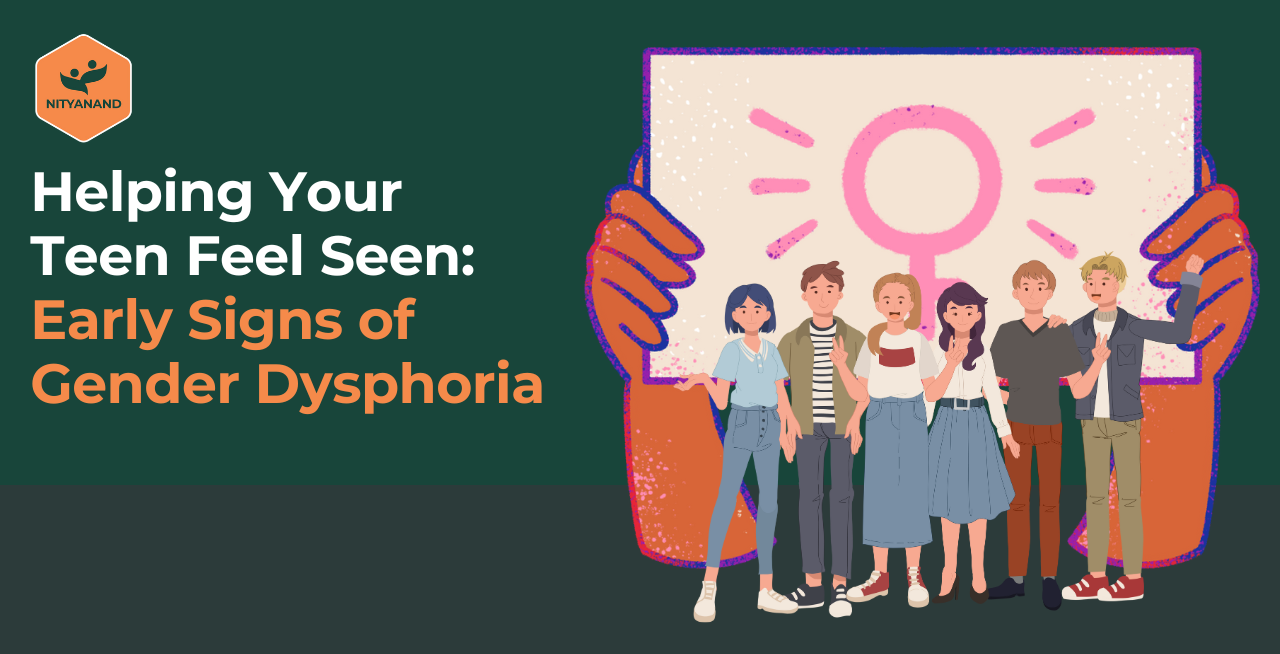
Helping Your Teen Feel Seen: Early Signs of Gender DysphoriaHelping Your Teen Feel Seen: Early Signs of Gender Dysphoria

A teenager who once enjoyed meeting friends may suddenly withdraw, avoid mirrors, or show discomfort with their changing body. For many parents, these quiet shifts are confusing and worrying. As awareness about gender dysphoria grows, more families are beginning to understand that these changes can sometimes reflect identity-related distress rather than typical teenage behaviour. Parents play a crucial role in noticing these early signs and offering a supportive environment. 

The purpose of this blog is to help parents recognise potential markers, clear common misconceptions, and understand the next steps for supporting their child with care and confidence.

What Is Gender Dysphoria?

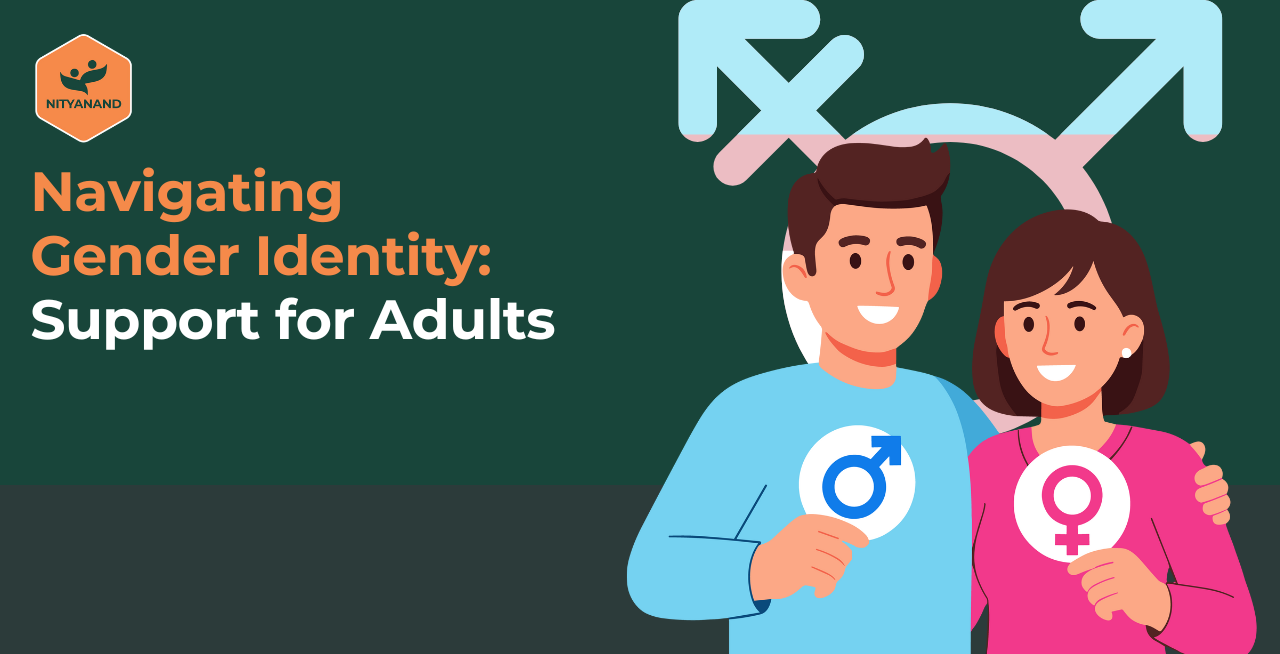
Gender dysphoria refers to the emotional distress that arises when a person’s gender identity does not match the sex they were assigned at birth. It is important for parents to remember that gender dysphoria is separate from sexual orientation. It is not about who someone is attracted to but about who they understand themselves to be.

Understanding the difference between gender identity, biological sex, and gender expression helps make this clearer. Biological sex refers to anatomy. Gender identity is a person’s internal sense of self. Gender expression involves clothing, behaviour, and appearance.

Adolescence can intensify these feelings because of rapid physical changes brought on by puberty. Not all teenagers experience dysphoria in the same way. For some, it is mild and occasional. For others, it is deeply distressing and persistent. Recognising teen dysphoria early helps reduce suffering and opens pathways to support.

Why Recognising It Early Matters

Unaddressed gender dysphoria can contribute to anxiety, depression, and social withdrawal. Teenagers who feel misunderstood or invisible may experience deep emotional distress. Early recognition gives parents the chance to create a safe space at home, which can greatly reduce the risk of self-harm and long-term mental health struggles. 

When parents acknowledge what their child is feeling, teenagers feel validated rather than isolated. Early understanding also makes it easier to connect with professionals who can offer guidance through the questioning process.

Behavioural Signs Parents May Notice

Behaviour changes are often the first visible indicators of identity dysphoria. While each teenager is different, some common patterns may appear.

  • Withdrawal and Avoidance: Teenagers may begin to distance themselves from social activities or friends. They may avoid school events, dressing rooms, sports teams, or any space divided by gender because it heightens their discomfort.
  • Body Discomfort: Many teens avoid mirrors or photographs because seeing their reflection intensifies distress. They may choose clothing that hides their body shape or try to minimise features associated with puberty. Changes such as breast development, menstruation, voice deepening, or facial hair may trigger emotional discomfort.
  • Emotional Distress: Parents may notice unexplained irritability, sadness, or heightened anxiety. Confidence may drop suddenly, and daily routines may feel overwhelming. These reactions often stem from internal conflict that the teen may not yet have words to express.
  • Expression of Identity Confusion: Teenagers may say things like “I do not feel like myself,” “I hate my body,” or “I am not the gender you think I am.” These statements should be taken seriously and approached with empathy.

Physical or Puberty-Related Signs

Puberty dysphoria is common among teenagers experiencing gender identity distress. Some may express extreme discomfort with menstruation, breast development, facial hair growth, or changes in voice. Others may attempt to hide or alter their appearance through layering clothes or binding to reduce chest visibility. These actions often reflect the teen’s desire to feel aligned with their internal identity.

Teens may verbalise that they wish they had “a different body,” especially when puberty changes feel overwhelming or unwanted. Recognising these signals early helps parents understand that these reactions are more than dislike of appearance. They are rooted deep. 

Social Indicators of Gender Dysphoria

Identity-related distress also appears in a teenager’s social world.

  • Preferring a Different Name or Pronouns: Many teens casually try out different pronouns or names with trusted friends or online communities. This can be a safe way to explore identity without pressure.
  • Shift in Peer Groups: Teenagers may gravitate toward LGBTQ communities because they feel understood and accepted. Support groups or online forums become safe spaces for expression.
  • Rejection of Gendered Expectations: A teenager may reject activities or appearances typically associated with their assigned gender. This rejection comes from internal discomfort rather than rebellion.
  • Creative Expression: Some teens use drawing, writing, music, or social media to express their feelings about gender. Creativity becomes an outlet for processing identity-related distress.

What Gender Dysphoria Is Not: Clearing Common Misconceptions

Gender dysphoria is not rebellion, defiance, or attention seeking. It is also not a phase caused by peer influence or exposure to online content. Many parents fear they have done something wrong, but gender identity is not shaped by parenting style.

It is also important to distinguish between dysphoria and nonconformity. Not all boys who enjoy makeup or girls who prefer short hair are experiencing dysphoria. Dysphoria involves persistent emotional distress, not simply a preference for different clothing or activities.

How Parents Can Respond Supportively

Support from parents makes an enormous difference to a teenager’s well-being.

  • Listen Without Judgment: Let your teen express their feelings without interruption. This creates trust and shows you are a safe person to confide in.
  • Validate Their Feelings: Avoid comments like “You are too young to know” or “It is just a phase.” Teenagers need to feel heard, even if they are still figuring things out.
  • Use Their Chosen Name or Pronouns: This simple gesture affirms their identity and reduces emotional distress.
  • Create a Safe Home Environment: Remove pressure to conform to traditional gender roles. Encourage expression and allow exploration of identity.
  • Seek Professional Guidance: If your teen shows consistent signs of distress, early support from psychologists or gender specialists can be incredibly helpful.

When to Consult a Mental Health Professional

It may be time to seek professional help if discomfort lasts for more than six months, if distress affects school, sleep, or relationships, or if there are signs of self-harm or depression. Professionals who may be involved include psychologists, psychiatrists, counsellors, or specialists trained in diagnosing gender identity disorder and supporting gender diverse teens. Their guidance can clarify what your child is experiencing and what support they may need.

In Conclusion

Recognising gender dysphoria symptoms early gives parents the chance to support their teenager with compassion and understanding. A safe, listening environment helps teens feel seen and valued as they navigate identity. With awareness and professional support when needed, parents can guide their teenager toward emotional well-being and a stronger sense of self.

Ready to Support Your Teenager

If you feel your teenager may be experiencing identity dysphoria or emotional distress, early guidance can make a significant difference. At Nityanand Rehab Centre in Pune, our team of experienced mental health specialists, led by Dr Nitin Dalaya, offers compassionate, confidential support for adolescents and families. Reach out today to begin understanding your child’s needs and help them move toward emotional well-being.

FAQs

How do I know if my teenager has gender dysphoria

You may notice signs like discomfort with their body, avoiding gendered spaces, wanting to use a different name, or showing emotional distress about puberty changes. A professional evaluation can offer clarity and guide the next steps.

Is gender dysphoria the same as being transgender

Not always. Gender dysphoria refers to the distress someone feels when their gender identity does not match their assigned sex. Some people with dysphoria identify as transgender, while others are still exploring their identity.

Can gender dysphoria go away on its own

Feelings may change over time, but persistent distress usually benefits from supportive conversations, counselling, or assessment by a mental health professional. Early understanding helps reduce anxiety and confusion for teenagers.

When should I take my teenager to a therapist

If your teen shows ongoing discomfort for several months, avoids social situations, expresses identity confusion, or experiences anxiety or depression, consulting a psychologist or gender specialist can provide supportive guidance.

What should parents avoid saying to a teen exploring their gender

Avoid dismissive statements like “It is just a phase” or “You will grow out of it.” These comments can increase distress. Instead, listen openly, use their chosen name or pronouns, and encourage honest conversation.
How Can Parents Recognise Gender Dysphoria in Teenagers?How Can Parents Recognise Gender Dysphoria in Teenagers?
How Can Parents Recognise Gender Dysphoria in Teenagers?
How Can Creative Therapy Help with Mental Health?How Can Creative Therapy Help with Mental Health?
How Can Creative Therapy Help with Mental Health?
Is Counselling Effective for Gambling Addiction?Is Counselling Effective for Gambling Addiction?
Is Counselling Effective for Gambling Addiction?
Can Gaming Addiction Cause Anxiety and Depression?Can Gaming Addiction Cause Anxiety and Depression?
Can Gaming Addiction Cause Anxiety and Depression?
How to Overcome Generalised Anxiety DisorderHow to Overcome Generalised Anxiety Disorder
How to Overcome Generalised Anxiety Disorder