Schizophrenia is a long-term mental health condition that requires consistent and ongoing treatment. Families often feel hopeful when symptoms improve after medication begins, only to face relapse when medication is stopped or taken irregularly. This cycle can be confusing and emotionally exhausting. Medication adherence is one of the strongest predictors of long-term recovery in schizophrenia.
Understanding why medication must be continued and how families can support adherence is essential for maintaining stability and preventing relapse.
Schizophrenia affects how a person thinks, perceives reality, and interacts with others. While symptoms may improve with treatment, the underlying condition usually requires long-term management. Medication helps regulate brain chemistry, reduce psychotic symptoms, and prevent relapse.
Recovery does not mean a cure. It means achieving stability, improving daily functioning, and reducing the severity and frequency of episodes through consistent treatment and support.
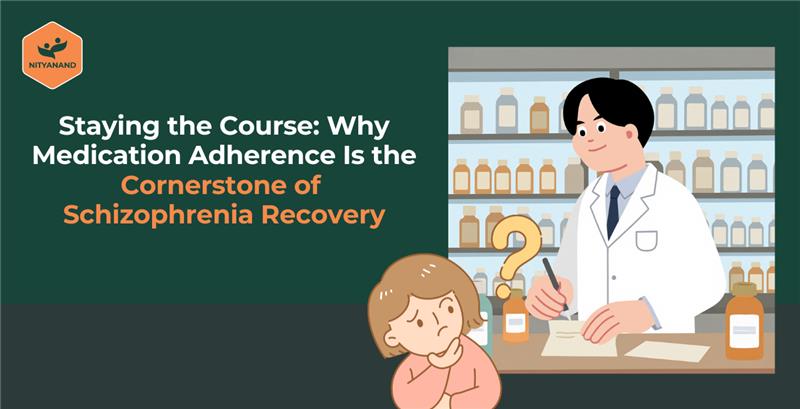
Medication adherence refers to taking prescribed medication regularly, at the correct dose, and for the recommended duration. It also includes attending follow-up appointments and communicating concerns with healthcare providers. In schizophrenia, stopping medication abruptly or skipping doses greatly increases the risk of relapse.
Common reasons include:
Understanding these reasons allows families to respond with empathy instead of conflict.
Poor adherence often leads to:
Each relapse can make future recovery more difficult.
Medication stabilises symptoms, reduces relapse risk, and supports cognitive functioning. It enables individuals to engage in therapy, rehabilitation programs, and social activities. Consistent medication use supports independence, employment, and improved quality of life.
Families play a vital role by:
Supportive family involvement significantly improves adherence and outcomes.
Side effects should always be discussed with a psychiatrist. Adjustments in medication, dosage, or timing can often reduce discomfort. Long-acting injectable medications may be considered for individuals who struggle with daily adherence. Medication should never be stopped without medical advice.
Professional help should be sought if medication is frequently missed, refused, or if behavioural changes appear. Early intervention prevents relapse and reduces hospitalisation risk.
Schizophrenia recovery depends not on short-term improvement, but on long-term consistency. Medication helps stabilise symptoms, protect brain function, and reduce the risk of relapse that can repeatedly disrupt progress. When medication is taken regularly and reviewed by professionals, individuals are better able to engage in therapy, rebuild routines, and regain independence.
With family support, professional guidance, and sustained treatment, long-term stability and meaningful recovery are achievable.
If your loved one struggles with medication adherence or repeated relapse, early professional support can prevent setbacks. Nityanand Rehab Centre offers structured treatment, medication management, and family guidance to support long-term schizophrenia recovery. Contact us to ensure continuity of care and emotional stability.