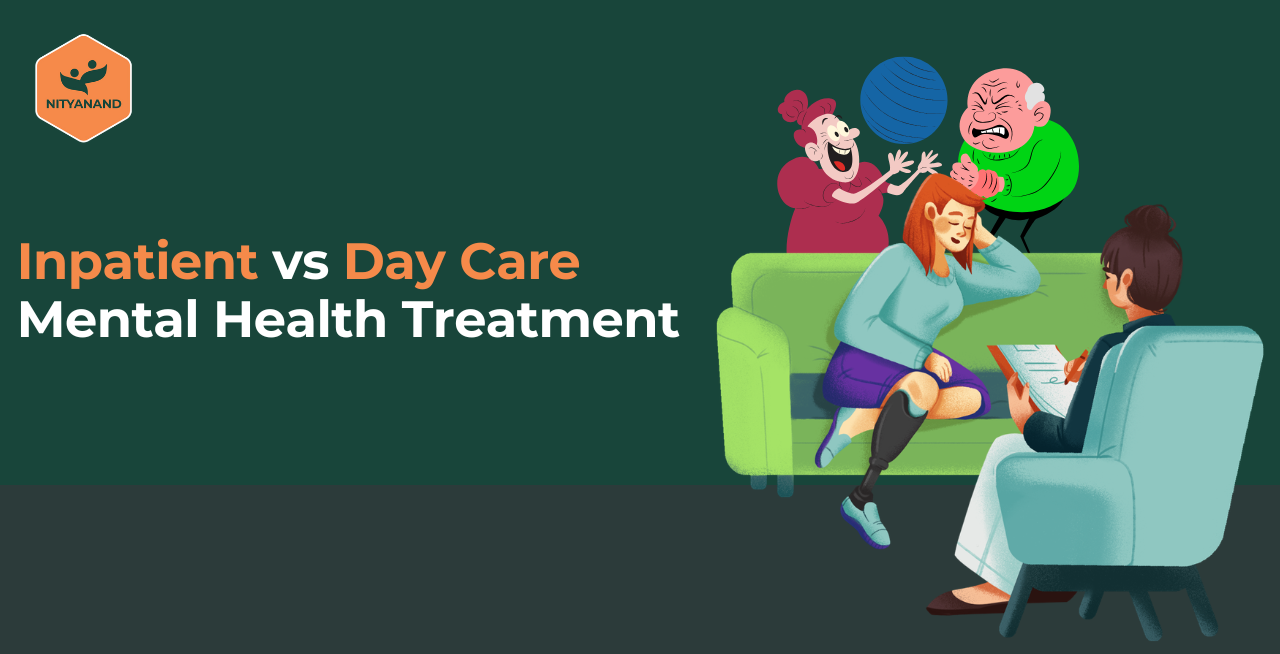
When a loved one begins to struggle with mental illness, families are often faced with emotionally challenging decisions. One of the most common questions is whether care at home is sufficient or if a more structured and supervised environment is required. Many families feel confused about the difference between inpatient and day care mental health treatment, which can delay timely care. Choosing the right level of treatment is critical for safety, recovery, and long-term outcomes.
This blog explains the differences between inpatient and day care mental health treatment and helps families decide based on clinical needs rather than fear or stigma.
Inpatient mental health treatment involves admission to a specialised facility where individuals receive continuous supervision and professional care. This level of treatment is designed for people whose symptoms are severe, unstable, or unsafe to manage at home.
Inpatient settings provide a highly structured and controlled environment with round-the-clock psychiatric and medical monitoring. Treatment usually includes medication stabilisation, individual and group therapy, behavioural observation, and crisis intervention. A multidisciplinary team of psychiatrists, psychologists, psychiatric nurses, counsellors, and therapists works together to ensure safety and symptom control.
Removing individuals from daily stressors such as work pressure, family conflict, or substance exposure allows focused treatment during acute phases of mental illness.
Day care mental health treatment provides structured therapeutic support during the day while allowing individuals to return home in the evening. It is suitable for people who need ongoing professional care but are stable enough to live safely outside a hospital setting.
Day care programs typically include counselling sessions, medication monitoring, psychoeducation, group therapy, and skill development activities. Family involvement plays an important role, as caregivers help reinforce routines and treatment plans at home.
This model supports recovery while encouraging independence and real-life application of coping strategies. Day care is often used as a step-down option following inpatient stabilisation.
Inpatient mental health treatment typically includes:
Day care mental health treatment typically includes:
The primary difference lies in the intensity of care and level of supervision required.
Inpatient care is recommended when symptoms significantly interfere with daily functioning or pose safety risks.
Common situations include:
In these cases, inpatient treatment provides safety and stabilisation that cannot be achieved at home.
Day care treatment is appropriate when symptoms are present but manageable outside a hospital setting.
It may be suitable when:
Day care treatment helps maintain progress while supporting reintegration into daily life.
Choosing the right treatment option requires careful and honest evaluation.
Families should consider:
Mental health professionals play a key role in helping families assess these factors objectively.
Many families delay care due to misconceptions. Inpatient treatment does not mean permanent hospitalisation or failure. Day care treatment is not limited to mild illness. Long-term admission is not always required. Treatment needs often change, and moving between levels of care is a normal part of recovery.
Psychiatrists and mental health professionals assess symptom patterns, behaviour, and safety risks before recommending a level of care. Treatment plans are reviewed regularly and adjusted as recovery progresses. Professional guidance ensures decisions are based on clinical need rather than emotional pressure.
There is no one-size-fits-all approach to mental health treatment. Inpatient and day care options serve different roles depending on symptom severity and safety needs. Choosing the right level of care improves stability, reduces relapse risk, and supports long-term recovery. Early professional guidance helps families navigate this decision with clarity and confidence.
Choosing between inpatient and day care mental health treatment can feel overwhelming. At Nityanand Rehab Centre, our specialists carefully assess each individual’s needs and recommend the most appropriate level of care. Reach out today for compassionate guidance and a treatment plan focused on long-term recovery.