loader

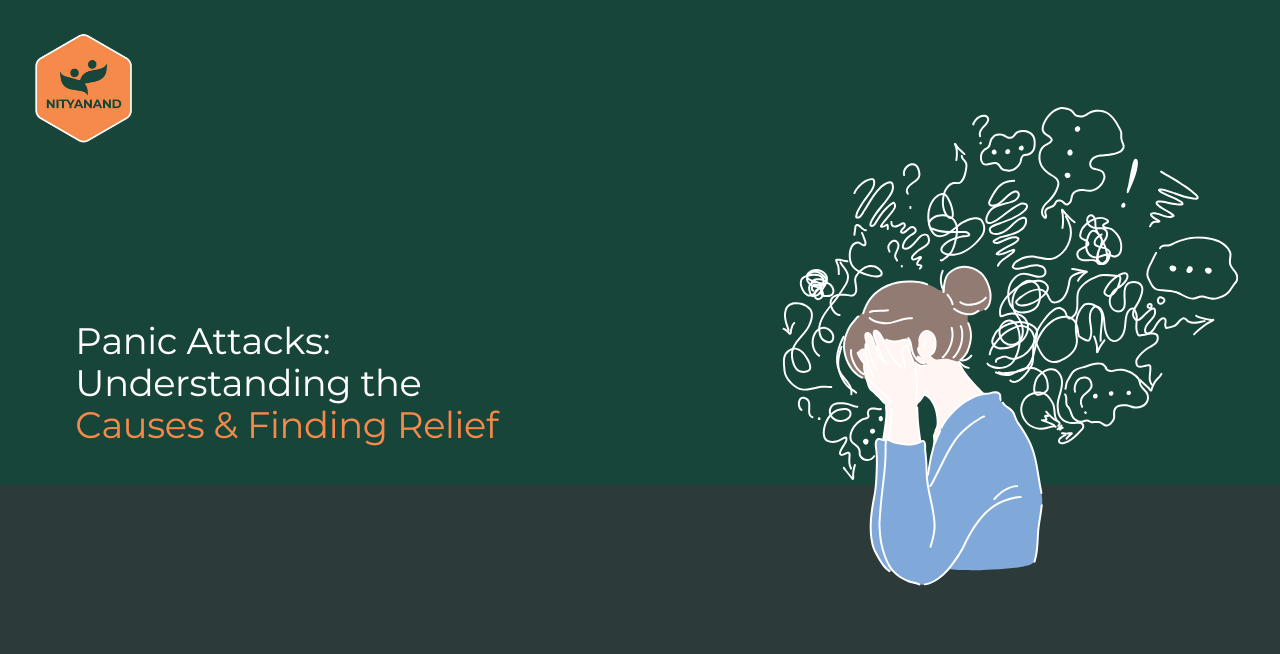
Struggling with Panic Attacks? Understanding Their Causes and Treatment

Mar 05, 2025

Addiction

5 Ways to Overcome Panic Attack5 Ways to Overcome Panic Attack

Struggling with Panic Attacks? Understanding Their Causes and Treatment

Panic attacks can be terrifying and unpredictable, often striking without warning and causing overwhelming fear and physical distress. Many people experience random panic attacks for no reason, while others find specific situations, such as driving, work stress, or nighttime fears, triggering these episodes. Studies indicate that panic disorder affects around 3% of individuals worldwide, making it a significant mental health concern.
This blog is here to help you understand the symptoms, causes, and effective treatment options that are crucial for managing panic attacks.

What Is Panic Disorder?

Panic disorder is a mental health condition characterised by recurring and unexpected panic attacks. Unlike occasional panic episodes caused by temporary stress, panic disorder involves frequent and intense attacks that occur seemingly out of nowhere.
Many people who experience panic attacks at work, while driving, or at night may not realise they have panic disorder until the episodes become frequent and disruptive. Without intervention, individuals may start avoiding situations that trigger panic, which can negatively impact their personal and professional lives.

Common Symptoms of Panic Disorder

Panic attacks manifest through a combination of physical and psychological symptoms, often leading individuals to fear the worst.

  1. Physical Symptoms
    • Rapid heartbeat and chest pain – Often mistaken for a heart attack.
    • Shortness of breath and dizziness – Can create a feeling of suffocation.
    • Excessive sweating and trembling – A response to heightened adrenaline levels.
  2. Psychological Symptoms
    • Intense fear of losing control – Individuals feel trapped in their distress.
    • Feeling of detachment or unreality – Some experience a sensation of being disconnected from their surroundings.
    • Dread of future attacks – Fear of having another episode can cause persistent anxiety.
  3. Panic Attacks in Different Settings
    • Panic attacks when driving – A sudden sense of loss of control can make individuals fearful of being on the road.
    • Panic attacks at work – High-pressure environments may contribute to sudden anxiety episodes.
    • Panic attacks at night – Sleep disturbances, racing thoughts, or nightmares can trigger nighttime panic attacks.

Underlying Causes of Panic Disorder

The exact cause of panic disorder varies from person to person, but researchers have identified biological and environmental factors that contribute to its development.

  1. Biological Factors
    • Genetic predisposition – A family history of anxiety disorders increases the risk of developing panic disorder.
    • Brain chemistry – Imbalances in neurotransmitters such as serotonin and adrenaline can lead to heightened fear responses.
  2. Environmental Triggers
    • Stressful life events – Trauma, personal loss, or significant lifestyle changes can trigger panic attacks.
    • Chronic stress – Workplace or financial stress can contribute to panic attacks at work or random panic attacks at home.

Identifying the root cause of panic disorder helps in developing effective treatment and coping strategies.

Risk Factors and Triggers

Some individuals are more susceptible to panic attacks due to predisposing factors and common triggers.

  1. Key Risk Factors
    • Family history of anxiety or panic disorders
    • Chronic stress and high-pressure environments
    • A history of trauma or unresolved psychological issues
  2. Common Triggers
    • Sudden, random panic attacks for no reason – May be linked to subconscious fears or internal stressors.
    • Workplace stress leading to panic attacks at work – Excessive workload, deadlines, and public speaking may act as triggers.
    • Claustrophobia or driving anxiety causing panic attacks when driving – Fear of confined spaces or losing control may intensify symptoms.

Recognising these risk factors and triggers allows individuals to well well-thought-out measures to manage their condition.

Importance of Early Detection

Early diagnosis and intervention play a crucial role in preventing panic disorder from worsening. Many individuals dismiss their panic attacks as temporary anxiety, only to find their symptoms escalating over time.

Benefits of Seeking Early Treatment:

  • Lowers the intensity and frequency of panic attacks.
  • Prevents the development of avoidance behaviours, such as refusing to drive or work.
  • Improves overall mental and emotional well-being.

Early detection ensures that individuals can access effective treatment strategies before their condition significantly disrupts their daily lives.

Treatment and Management Options

Managing panic disorder involves a combination of therapy, medication, and lifestyle adjustments to help individuals regain confidence in their daily activities.

  1. Therapies for Panic Disorder
    • Cognitive Behavioural Therapy (CBT) – Helps individuals restructure negative thought patterns that trigger panic attacks.
    • Exposure Therapy – Gradual exposure to fear-inducing situations, such as driving or work-related stress, can help reduce anxiety.
  2. Medications
    • Anti-anxiety drugs – Provide relief from acute panic episodes.
    • Antidepressants – Help in long-term management by balancing neurotransmitter activity.
  3. Lifestyle Strategies to Reduce Panic Attacks
    • Mindfulness techniques for panic attacks at night – Relaxation exercises can help regulate sleep patterns.
    • Breathing exercises to reduce panic attacks while driving – Controlled breathing helps maintain focus on the road.
    • Workplace stress management to prevent panic attacks at work – Regular breaks, time management, and seeking support can reduce workplace anxiety.

By incorporating these treatment strategies, individuals can gradually regain control over their mental health.

The Takeaways

Panic disorder can be overwhelming, but it is highly treatable with the right approach. Whether panic attacks occur randomly, at work, while driving, or at night, recognising the symptoms, causes, and triggers can make a substantial difference in effective management. Seeking early intervention, therapy, and self-care strategies can help individuals reduce panic attacks and lead a healthier, more balanced life.

Nityanand Rehab Centre: Your Trusted Partner in Panic Disorder Treatment

Do you frequently experience panic attacks at work, while driving, or even at night? At Nityanand Rehab Centre, we offer expert guidance, evidence-based therapies, and personalised treatment plans to help individuals manage and reduce panic attacks effectively. Our specialists provide comprehensive care, including therapy and lifestyle strategies, to support long-term recovery. Contact us today and begin your journey toward recovery.

Frequently Asked Questions (FAQs) About Panic Attacks

1. What is a panic attack, and how is it different from a panic disorder?

A panic attack is a sudden episode of intense fear or discomfort, often accompanied by symptoms such as:

  • Rapid heartbeat

  • Sweating

  • Dizziness

  • Shortness of breath

A panic disorder, however, is when these panic attacks occur repeatedly and unexpectedly. Individuals often live in fear of future attacks, which can impact daily functioning.


2. Why do I experience random panic attacks for no reason?

Panic attacks may feel random, but they often have underlying causes such as:

  • Chronic stress

  • Unresolved anxiety

  • Hormonal or neurotransmitter imbalances

  • Genetic predisposition

  • Subconscious emotional triggers

Even when there is no clear trigger, the body may react to internal stress signals.


3. What causes panic attacks at night?

Nighttime panic attacks can occur due to:

  • High stress or anxiety carried from the day

  • Nightmares or emotional processing during sleep

  • Sudden changes in breathing patterns

  • Sleep disorders like sleep apnea

Even though the body is asleep, the brain may still respond to internal stress.


4. How can I manage panic attacks when driving?

If you experience panic attacks while driving, try the following steps:

  • Practice deep breathing and grounding techniques

  • Pull over safely if symptoms begin

  • Start with short, low-stress driving routes

  • Gradually increase exposure and confidence

  • Consider therapy or CBT to overcome driving-related anxiety


5. Why do I get panic attacks at work, and how can I prevent them?

Common workplace triggers include pressure, deadlines, office politics, and performance anxiety. To reduce workplace panic attacks:

  • Take short breaks and practice stress-relief exercises

  • Use grounding techniques when symptoms begin

  • Maintain a balanced workload when possible

  • Talk to a supportive colleague or supervisor

  • Seek help from a therapist to address anxiety patterns

How Can Creative Therapy Help with Mental Health?How Can Creative Therapy Help with Mental Health?
How Can Creative Therapy Help with Mental Health?
Is Counselling Effective for Gambling Addiction?Is Counselling Effective for Gambling Addiction?
Is Counselling Effective for Gambling Addiction?
Can Gaming Addiction Cause Anxiety and Depression?Can Gaming Addiction Cause Anxiety and Depression?
Can Gaming Addiction Cause Anxiety and Depression?
How to Overcome Generalised Anxiety DisorderHow to Overcome Generalised Anxiety Disorder
How to Overcome Generalised Anxiety Disorder
Why Dementia Patients Need Integrated Psychiatric and Neurological SupportWhy Dementia Patients Need Integrated Psychiatric and Neurological Support
Why Dementia Patients Need Integrated Psychiatric and Neurological Support