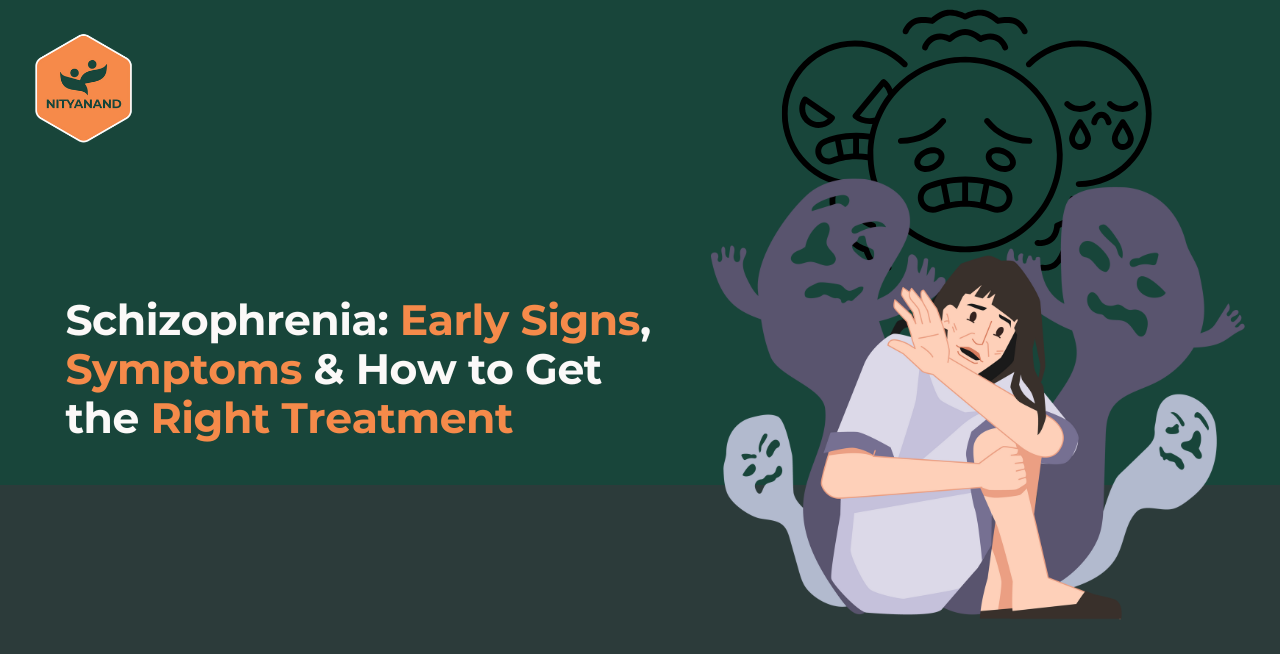
Schizophrenia is a chronic and severe mental health condition that affects how a person thinks, feels, and behaves. Individuals with schizophrenia may appear detached from reality, causing significant distress and difficulty in daily functioning. While the exact cause is not fully understood, early recognition of the signs and symptoms of schizophrenia is essential for effective treatment.
This blog will focus on identifying schizophrenia symptoms across different age groups and the importance of seeking the right treatment as soon as possible.
Schizophrenia is often misunderstood, with many myths circulating about the condition. Contrary to common beliefs, it is not the result of poor parenting or a split personality, but a serious mental disorder that affects brain function. Schizophrenia typically manifests in the late teens or early adulthood, but it can develop at any stage.
There are different types of schizophrenia, each affecting individuals differently. Some common types include:
While the severity and presentation of schizophrenia symptoms can vary from person to person, common signs include:
Identifying schizophrenia in teenagers can be challenging as the symptoms may overlap with typical teenage behaviour. However, early intervention is crucial for better outcomes.
As these signs can also reflect the normal stress and challenges of adolescence, it is essential to be vigilant and seek professional evaluation if these symptoms persist for an extended period or worsen.
In adults, schizophrenia typically presents with more persistent and clearer symptoms than in teens. Some key features include:
Adults may experience increased difficulty maintaining relationships, holding down a job, or taking care of daily responsibilities, further hindering their quality of life.
One of the more common subtypes of schizophrenia is paranoid schizophrenia, which is defined by intense delusions of persecution or grandeur. Individuals with paranoid schizophrenia may believe they are being watched, followed, or harmed by others, even when there is no evidence to support these claims. These delusions can severely affect relationships, leading to mistrust and social isolation.
It’s crucial to seek professional help as soon as symptoms of schizophrenia are suspected. The earlier the treatment begins, the better the likelihood of minimising symptoms and improving long-term outcomes.
A multi-disciplinary approach is often the most effective treatment for schizophrenia, and it typically involves:
Recognising the signs and symptoms of schizophrenia early is key to managing the condition effectively. Whether in teens or adults, schizophrenia can be a challenging condition, but with the right treatment plan, individuals can learn to manage their symptoms and lead fulfilling lives. If you or someone you know is experiencing signs of schizophrenia, don't hesitate to seek professional help.
If you or someone you know is showing signs of schizophrenia, don't wait to seek help. Early intervention is crucial in managing symptoms and improving quality of life. Reach out to Nityanand Rehab Centre to discuss your treatment options. Whether it’s medication, therapy, or lifestyle support, taking the first step toward treatment can lead to a brighter future. You don’t have to face it alone.
Look for common symptoms such as persistent delusions, hallucinations, disorganised thinking, and unusual behaviours. If you notice these signs, it’s important to consult a mental health professional for an evaluation.
While there is no cure for schizophrenia, it is highly treatable with medication and therapy, which can help individuals manage symptoms and live fulfilling lives.
Teens may experience social withdrawal, academic decline, mood swings, and unusual thoughts or behaviours. Early recognition and intervention are critical in providing support.
Therapy, especially Cognitive Behavioural Therapy (CBT), can help individuals manage symptoms, cope with daily challenges, and improve their overall functioning.
Treatment for schizophrenia typically includes medications (antipsychotics), psychotherapy (CBT, family therapy), and lifestyle support, such as social skills training and rehabilitation.