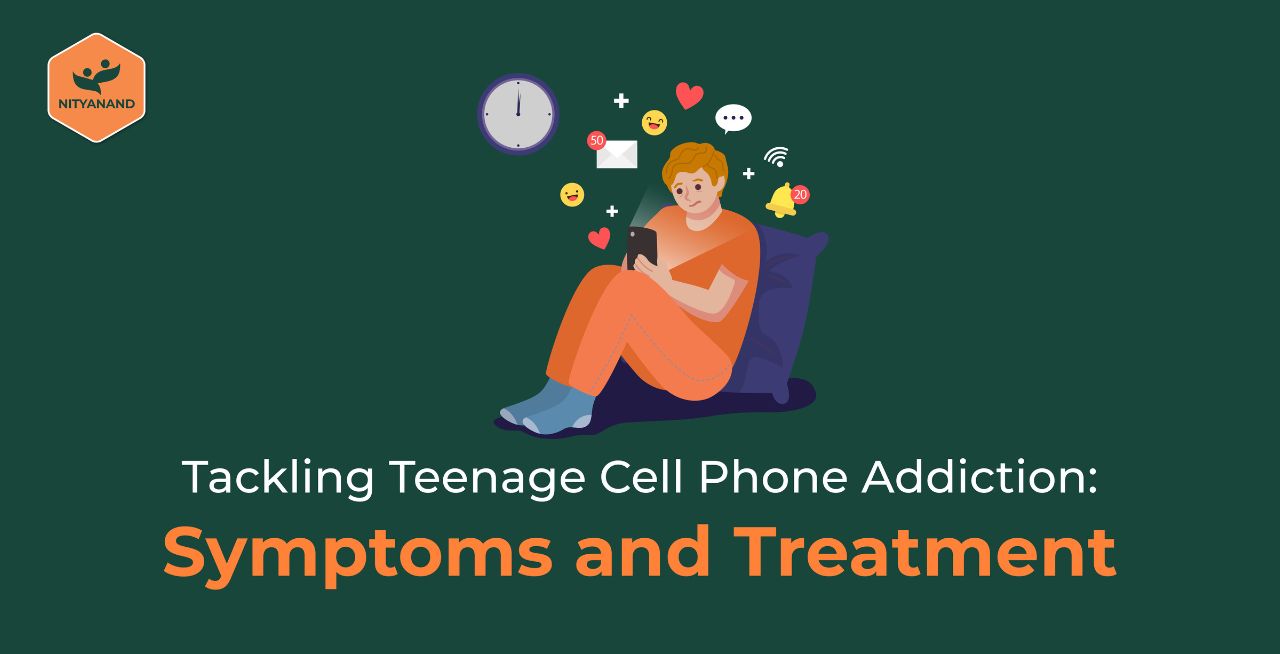
In today’s digital era, smartphones have become an inseparable part of teenage life. While mobile devices offer convenience, social connection, and entertainment, excessive and uncontrolled usage can lead to teenage cell phone addiction—a growing mental and behavioral health concern. Overuse of smartphones can impact a teen’s emotional, physical, academic, and social well-being.
Below, we explore the symptoms, effects, and treatment options for teenage phone addiction, along with actionable strategies for parents.
Teens may spend hours scrolling, gaming, or using social media, often losing track of time and neglecting studies, family time, or sleep.
When restricted from their phones, addicted teens may experience:
Irritability
Anxiety
Restlessness
Low mood or depression
Constant urge to check notifications
Hobbies, sports, face-to-face interactions, and family time take a backseat as phone use becomes their primary focus.
Excessive phone usage often leads to:
Poor concentration
Low grades
Incomplete assignments
Reduced participation in class
Despite high online activity, addicted teens may avoid real-world interactions, resulting in loneliness, emotional detachment, and low confidence.
Late-night screen use affects melatonin production, resulting in:
Insomnia
Poor sleep quality
Daytime fatigue
Memory and attention problems
Introduce intentional phone-free hours, especially during:
Meals
Family time
Before bedtime
Study sessions
Create screen-free zones like bedrooms and dining areas.
Use parental control tools to set app limits, track usage, and block addictive apps. However, communication and trust are essential—do not enforce rules without explanation.
Educate teens about:
Screen time effects on mental and physical health
Dopamine dependence
Cyberbullying & online safety
Healthy digital habits
If addiction is severe, seek help from specialized psychologists or rehab centers.
For mobile addiction treatment in Pune, centers like Nityanand Rehab Center offer structured therapy, behavioral intervention, and recovery plans tailored for teens.
Promote hobbies such as:
Sports & yoga
Music
Art & crafts
Reading
Outdoor activities
Volunteering
These help reduce dependency on virtual stimulation.
Parents should model healthy screen behavior. Participating in phone-free family activities encourages teens to do the same.
Teenage cell phone addiction is real and can have long-term consequences if left unaddressed. With early intervention, structured boundaries, and professional guidance, teens can regain balance and establish a healthy relationship with digital devices.
If your teenager is showing signs of mobile addiction, help is available.
📍 Consult Nityanand Rehab Center (Pune) for professional support:
Visit: https://nityanandrehab.com/reach-us/
Common signs include excessive screen time, withdrawal symptoms, sleep issues, academic decline, isolation, and neglect of responsibilities.
Yes. It can lead to anxiety, depression, poor self-esteem, attention issues, and behavioral problems.
Set phone-free routines, monitor usage, provide alternatives like sports/hobbies, and lead by example.
If the teen becomes aggressive, isolated, academically affected, or unable to function without their phone, professional help is recommended.
Yes. With therapy, digital detox strategies, parental guidance, and behavioral changes, most teens recover successfully.