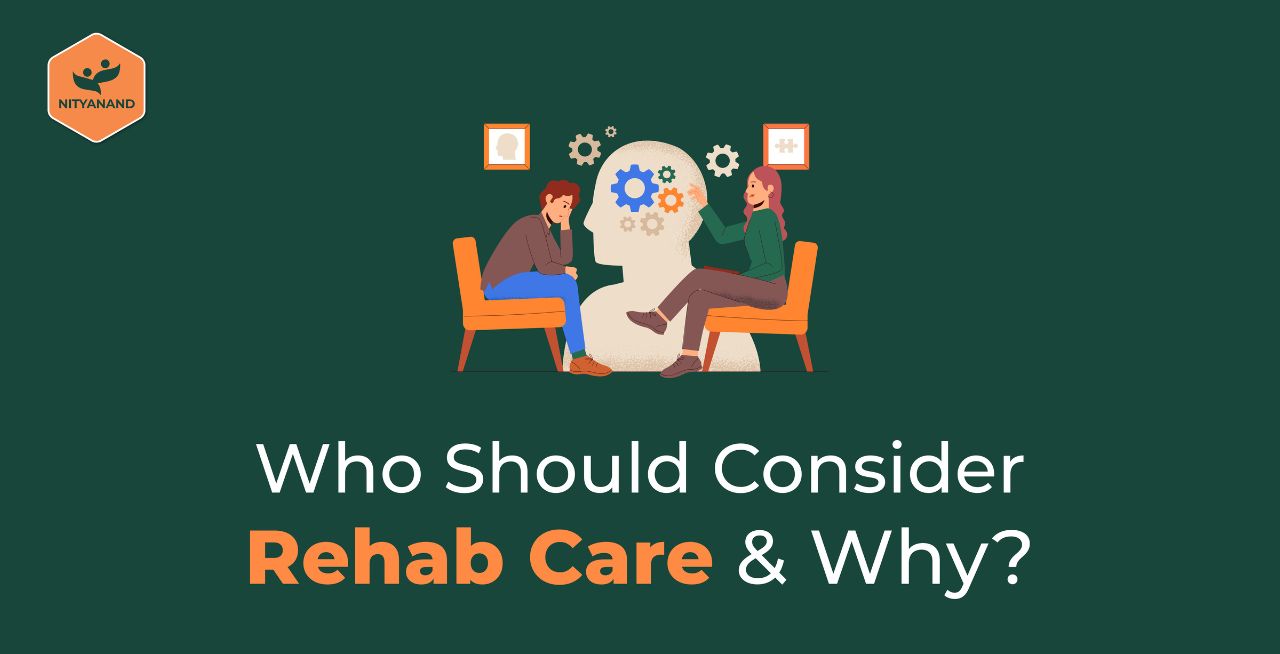
Rehab (rehabilitation care) is a structured and supportive treatment program designed to help people overcome addiction, mental health disorders, and behavioral challenges. It provides a safe environment where individuals can recover, rebuild their lives, and learn healthy coping mechanisms. Rehab programs are available in different formats and are customized based on the unique needs of each person.
Rehab is ideal for individuals struggling with:
Addiction is a chronic condition that affects the mind and body. Rehab helps break this cycle and teaches tools for long-term sobriety.
People struggling with both substance abuse and conditions like depression, anxiety, PTSD, or bipolar disorder need integrated treatment.
Unresolved trauma can lead to addiction or emotional disturbances. Rehab helps process trauma safely with professional guidance.
Many individuals leaving prison struggle with substance use. Rehab programs assist with reintegration and reduce relapse risks.
If other treatments haven’t worked, a structured rehab program may be the best solution.
You should consider rehab if you experience:
Increased dependence on drugs or alcohol
Loss of control over usage
Using substances to cope with stress
Withdrawal symptoms
Relationship, work, or academic problems
Legal or medical complications due to substance use
If you identify with any of these signs, it’s time to speak to a professional.
Rehab offers several long-term benefits, including:
A controlled space free from triggers and temptations.
Customized programs based on addiction severity, mental health, age, and personal goals.
Individual therapy
Group therapy
Family therapy
Cognitive Behavioral Therapy (CBT)
Mindfulness and relapse prevention
Patients learn about addiction, life skills, relapse prevention, and healthy living.
Residential stay (typically 30–90 days)
24/7 medical and emotional support
Best for severe addiction or high relapse risk
Live at home, attend treatment part-time
Flexible for work, school, or family commitments
Best for mild to moderate addiction
Consider these factors before choosing a rehab center:
Type of program: Inpatient vs outpatient
Specialization (addiction type, dual diagnosis, etc.)
Location (close to home or away for a fresh start)
Program cost / insurance coverage
Accreditation (e.g., JCAHO approved)
Experience and qualifications of the staff
Aftercare & relapse prevention support
Nityanand Rehab is one of India’s leading centers for addiction treatment, dual diagnosis, and mental health recovery. We offer:
Holistic treatment programs
Expert psychiatrists, psychologists, and counsellors
Detox, therapy, relapse prevention & family counseling
Individualized care plans
A supportive, recovery-focused environment
Take the first step toward healing.
Contact Nityanand Rehab Center today: https://nityanandrehab.com/reach-us/
Rehab helps individuals stop using addictive substances, address mental health issues, and learn healthy coping skills for long-term recovery.
Most inpatient programs last 30–90 days, while outpatient programs can continue for several months based on individual needs.
No. Rehab also helps people with mild to moderate addiction, trauma, or early warning signs before the addiction worsens.
Aftercare, therapy sessions, support groups, and lifestyle changes help maintain long-term sobriety and prevent relapse.
Yes, family therapy and involvement are encouraged to support recovery and healing.
Rehab is not a punishment—it is a life-changing opportunity for people struggling with addiction or mental health issues. With the right support, structure, and treatment, recovery is possible.
If you or your loved one needs help, don’t delay.
Recovery begins with a single step. Start today.